

Most cracks are cosmetic — a few are not
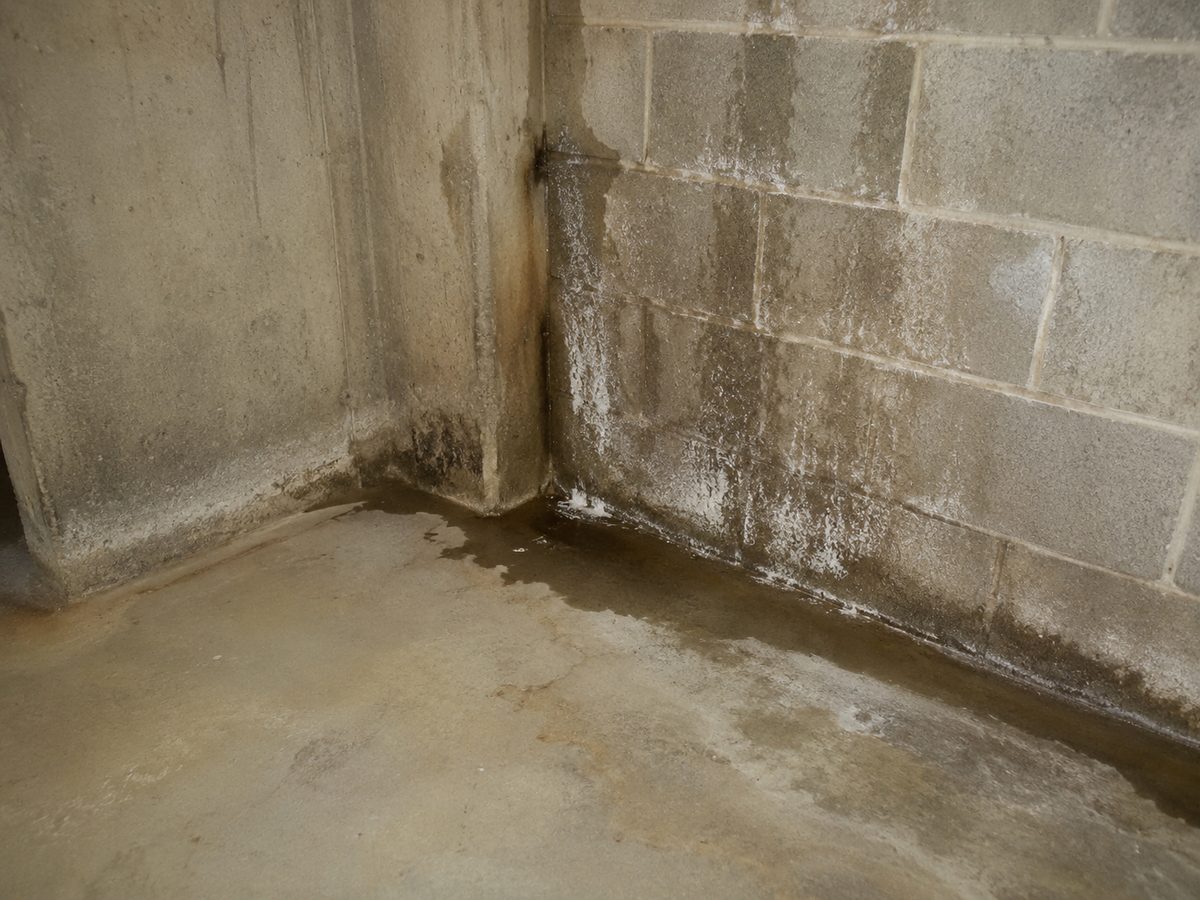
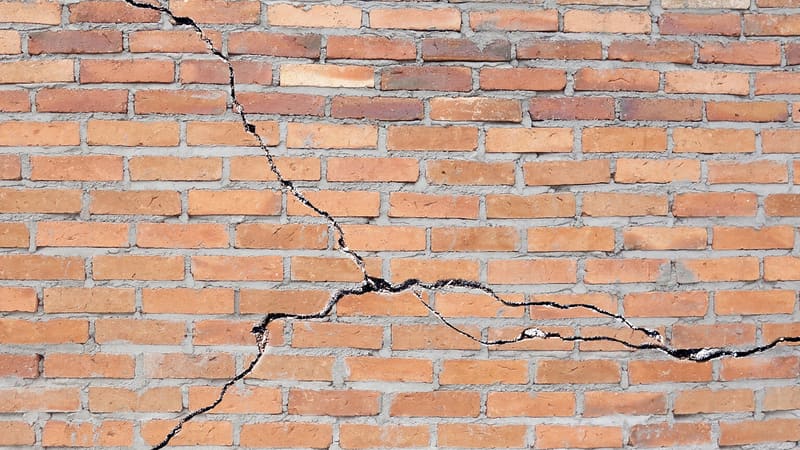
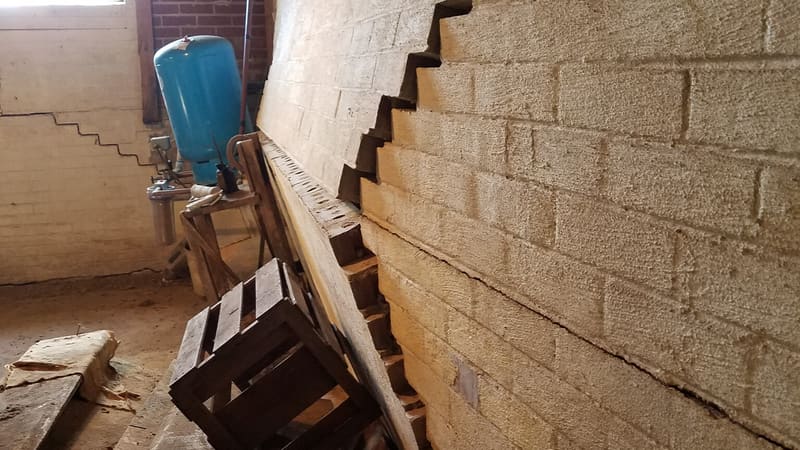
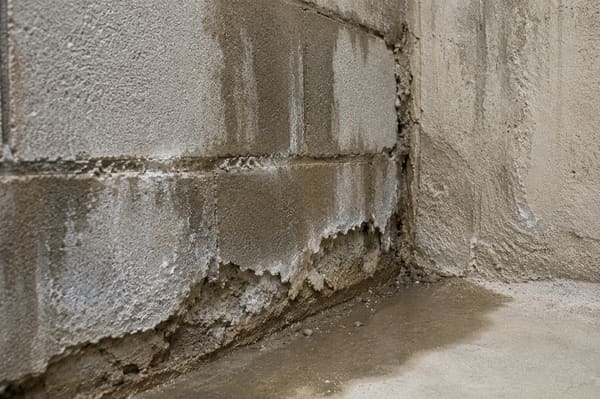
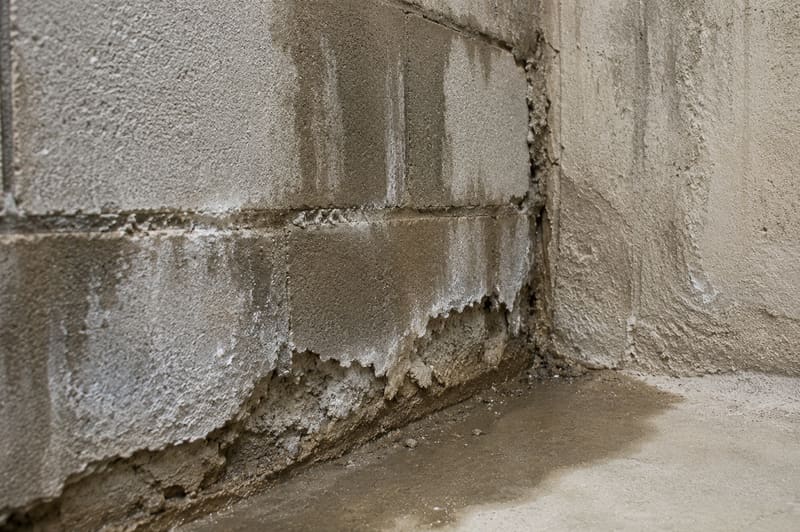
Hairline cracks in poured concrete or block are common as a home settles, and the majority are harmless. The ones that matter are the cracks that keep widening, run horizontally across a wall, or step diagonally along block joints.
The difference comes down to width, direction, and whether the crack is still moving — exactly what an in-home inspection is built to measure.
Warning signs worth a closer look
Cracks wider than a quarter inch, horizontal cracks across a basement wall, and stair-step cracks in block all point to movement rather than simple settling — especially when paired with sticking doors or sloping floors.
Something
Something

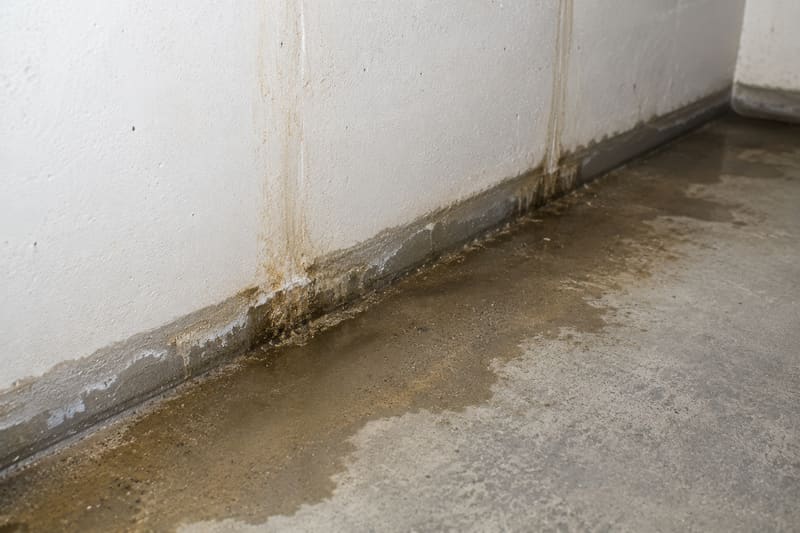
Water seeping through a crack is a second flag: it means the crack connects to soil moisture on the other side of the wall.
What a written plan should include
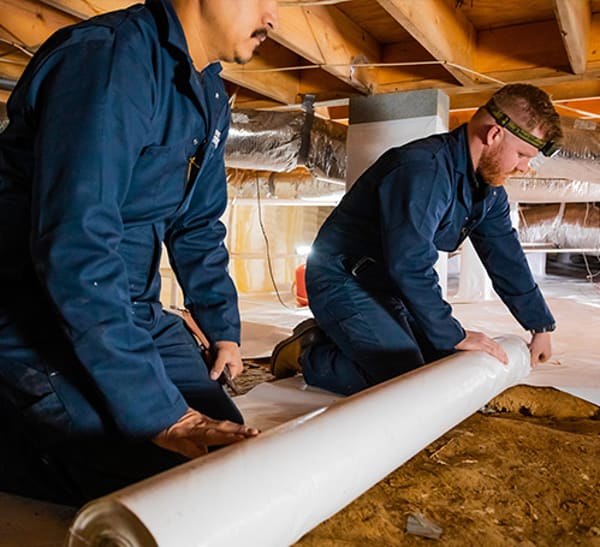
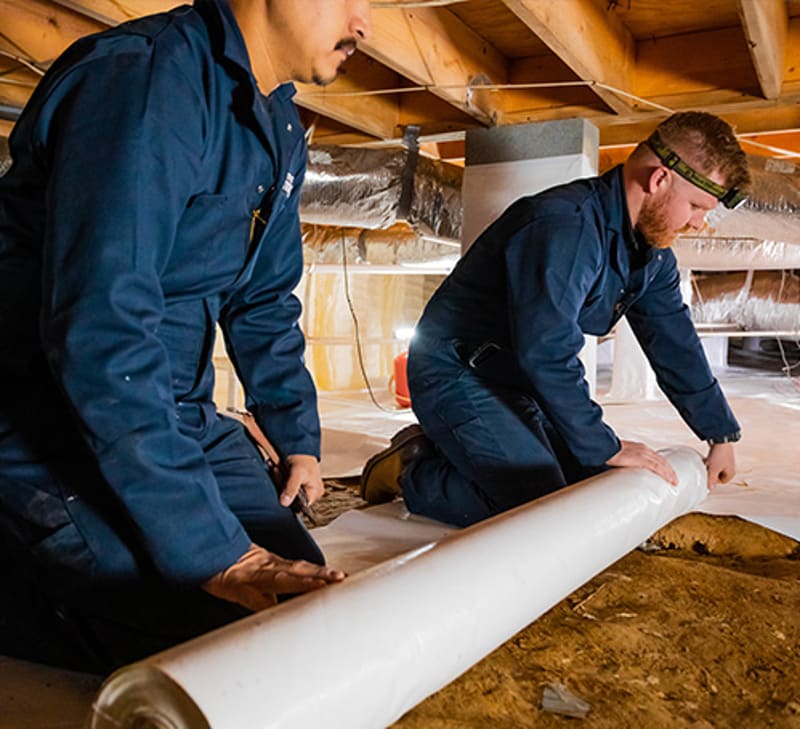
A specialist measures the crack, checks it against the surrounding structure, and leaves a written scope and quote — not a number over the phone. A real plan names the cause, the fix, and the warranty that backs it.