
Lifetime transferable warranty
Protection that stays with the home, including when ownership changes. See the written warranty for covered work.

Serving Des Moines, Ames
& nearby Iowa communities.
Uneven concrete might seem like a cosmetic issue at first, but it poses a serious risk to your safety and your property value. Whether it’s a sunken section of sidewalk, a tilted patio slab, or a settled driveway apron, these hazards can lead to painful falls, costly liability issues, and ongoing structural problems. At Anchored Walls, we help homeowners in our Iowa service area stay safe and steady with professional concrete lifting solutions designed to restore both function and appearance.
Tripping hazards can form anywhere concrete starts to settle, shift, or crack. For many our Iowa service area homeowners, the problem gradually becomes apparent until someone stumbles over a misaligned slab or catches their toe on a raised edge.
Here are the most common places we see dangerous, uneven concrete:
Left unaddressed, these hazards often get worse over time, especially with the freeze-thaw cycles common in our region.
When concrete slabs near your home start to sink or shift, the problem often comes down to what’s happening just beneath the surface or right beside it. Many of the most common causes of uneven concrete are the result of normal daily use, poor water control, or overlooked site conditions around the house.
Here’s what we see most often:
Even well-built concrete can shift under these conditions. The good news is, there’s a fast and lasting fix.
Tripping hazards are a real risk to your family, your visitors, and yourself. A sunken slab near your front steps or an uneven section of sidewalk may not look serious, but one misstep can lead to injuries, medical bills, and even liability issues if someone else falls on your property.
Here’s why it’s worth addressing sooner than later:
With over 40 years of experience serving our Iowa service area, Anchored Walls can help you fix the problem quickly and cleanly before it turns into something bigger.
If you’re dealing with sunken or uneven concrete around your home, you don’t need to replace the entire slab. Anchored Walls offers a clean, effective solution that lifts and restores your existing concrete without the mess of a full tear-out. Using targeted injection techniques, we raise settled slabs back to their proper position and support them from below. Once we the concrete is back in position, we have both eliminated the tripping hazards and prevented future movement.
The process is fast, precise, and designed to minimize disruption. There’s no heavy equipment, no long drying times, and no guesswork. Just real results, delivered by a team that’s been trusted across our Iowa service area for more than 40 years. Whether it’s a sunken sidewalk, a cracked patio, or a tilted driveway apron, we’ll fix it the right way, so you and your family can move safely again.
If you’ve noticed uneven concrete around your home, don’t wait for someone to get hurt. Call Anchored Walls for a free inspection and honest recommendations. We’ll assess the problem, explain your options, and provide a lasting fix that makes your property safer and stronger.
We proudly serve communities across our Iowa service area. Whether you're in Des Moines, St. Louis, or somewhere in between, our team is ready to help.
4.9 / 5 from 286 Google reviews.
Gabe & Taxson did a wonderful job of waterproofing our basement. They worked so hard chiseling concrete, carrying it up the stairs in buckets, then carrying rock and replacement cement down the stairs to fill in the dug up places, but most of all, they cleaned up the mess! Kip McMillen from United Services recommended this company to do our job. We would recommend this company for any job that you may have.

We worked with Brad to level the concrete slabs on our driveway and patio, and the results are fantastic—everything is perfectly level and we couldn’t be happier with the quality of his work. What really sets Brad apart, though, is his character and willingness to go the extra mile. While I was out of town, our family car battery died right before my family was supposed to leave for vacation. Brad didn’t hesitate—he went to the auto parts store, picked up a new battery, and installed it so they could get on the road in time. That kind of kindness and effort goes far beyond what you’d ever expect, and it meant so much to us. Truly excellent work and an even better person. Thank you.

Anchored Walls of Winterset stabilized our Basement walls, leveled our driveway, and found an incredible and invisible solution to our 25 year sump pump drain exit. Matt Clayton was consistently kind and patient. He nailed our estimate and was Readily available for questions before, during, and after the project. Debbie was quick, responsive, and friendly to give us speedy and accurate answers to many questions. Finally, Brad was the man who finally solved our 25 year sump pump problem. He was super respectful with my wife, and somehow installed 30 foot of PVC into our yard, leaving zero evidence. You're work is amazing and we are more thankful for you than we can express! All this to say, we strongly recommend and refer Anchored Walls of Winterset. Great job and God bless you for your Efforts.

Anchored Walls revently completed work on our driveway. It was 13 years old and the expansion joints adjacent to the garage, front sidewalk and the foot of it near the street have erroded and water was entering underneath. We were concerned about freeze-thaw damage. The AW team presented the most complete and best estimate. A few days later Zack arrived and did the work in 1/2 day. It was a fantastic job and looks great. He was courteous and very personable. 5-star recommendations all around.

They did a good job lifting our steps. Good price too

Helping Iowa homeowners since 1978.
A repair plan built around your home.
Start with a free inspection. We explain what we find and put the recommended work in writing, so you can make an informed decision.
“We worked with Brad to level the concrete slabs on our driveway and patio, and the results are fantastic—everything is perfectly level and we couldn’t be happier with the quality of his work. What really sets Brad apart, though, is his character and willingness to go the extra mile. While I was out of town, our family…”
Protection that stays with the home, including when ownership changes. See the written warranty for covered work.
Your money is never at risk. We stand behind our work with a written money-back guarantee.
A clear plan, respectful crews, and a commitment to the experience as well as the repair.
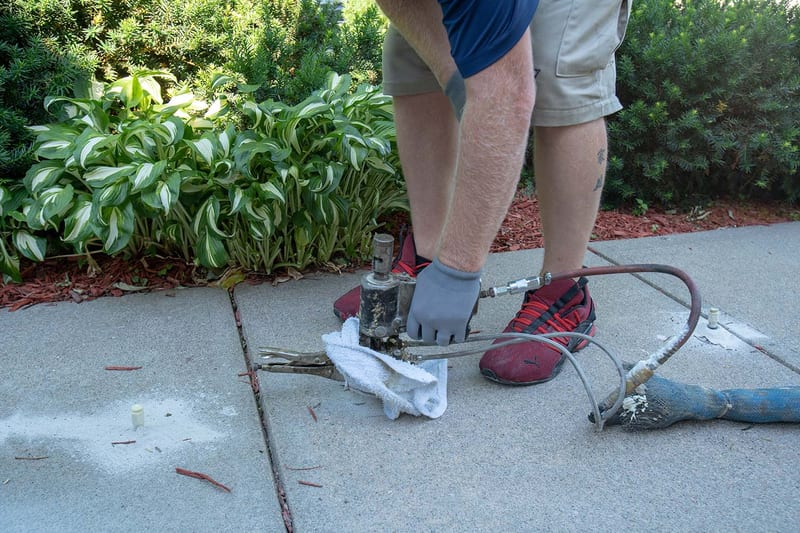
When concrete starts to sink around your home, whether it’s the front walk, the driveway, or part of your foundation, it’s a sign that something underneath has shifted.
Explore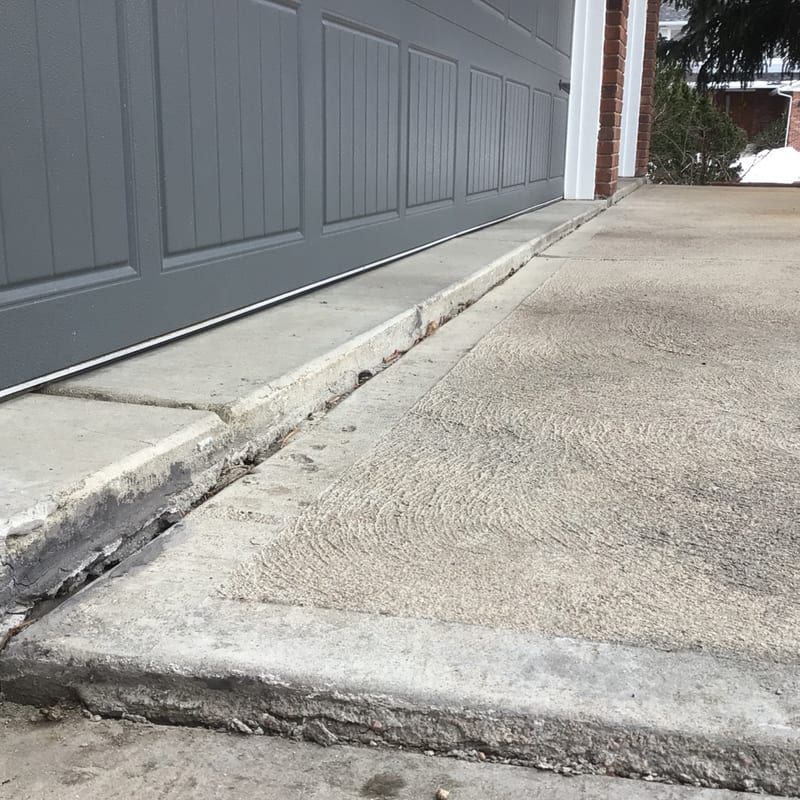
Using advanced polyurethane injection technology, we raise sunken concrete slabs back to a safe, level position, often in just a few hours.
Explore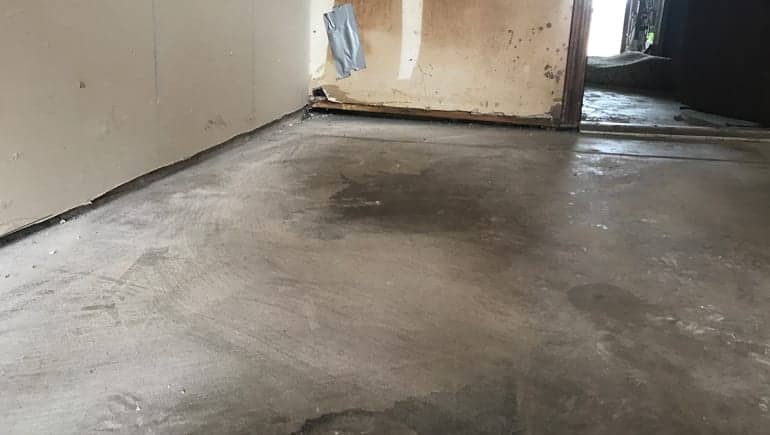
At Anchored Walls, we use advanced polyurethane injection techniques to lift and re-level basement floors quickly and cleanly.
Explore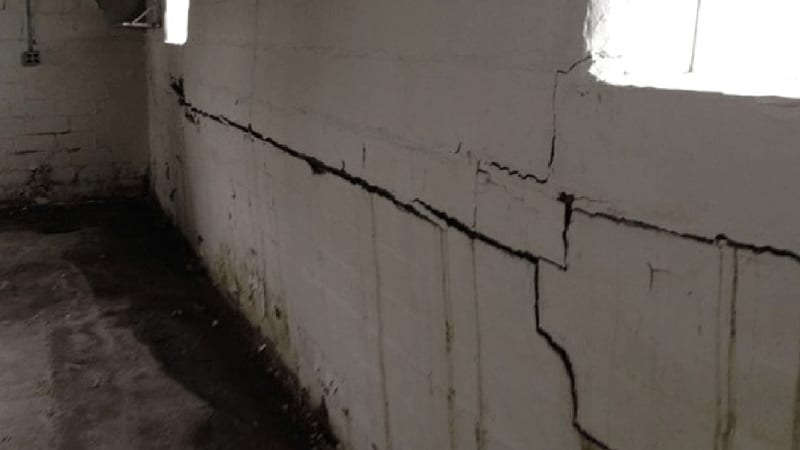
In our Iowa service area, winter doesn’t just bring snow and ice.
ExploreFrom our Winterset location, we serve Des Moines, Ankeny, Waukee, Johnston, Urbandale, Clive, Ames, and surrounding communities. Check your ZIP for service at your address.
Highlighted counties contain service ZIP codes. Coverage varies within each county; check your ZIP and confirm your address when scheduling.