What causes foundation problems in the first place?
+
Most foundation issues are caused by changes in the soil around your home. Drought, heavy rain, poor drainage, and construction on improperly compacted soil can all lead to movement under your foundation. Over time, this movement creates stress on the structure and leads to cracks, shifting, or settling.
If I don't repair my foundation, what could happen?
+
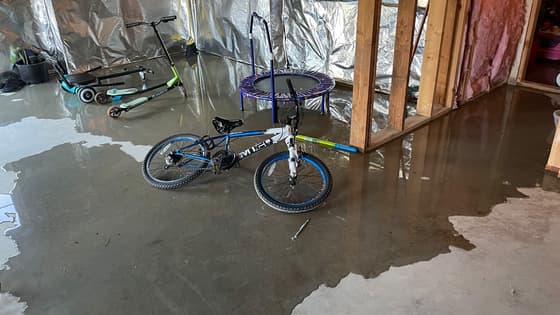
If you don’t repair your foundation, water will eventually seep in. This causes an assortment of additional problems for the structural integrity of your home.
Are foundation cracks serious or just cosmetic?
+
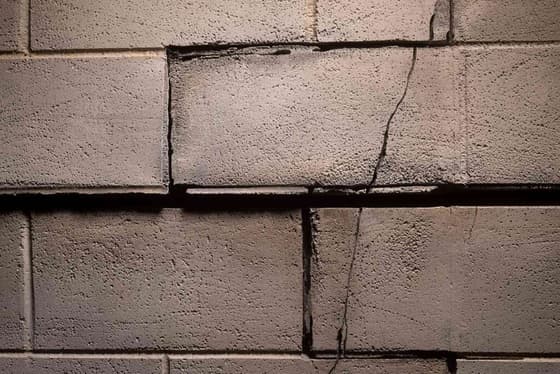
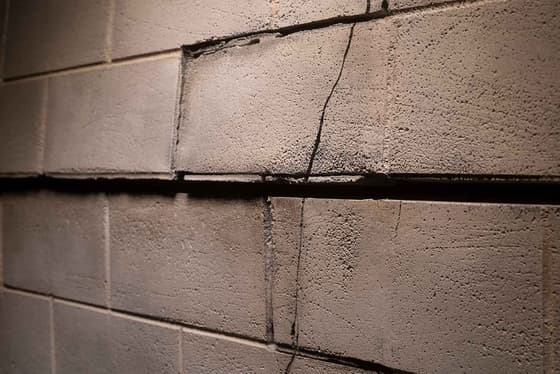
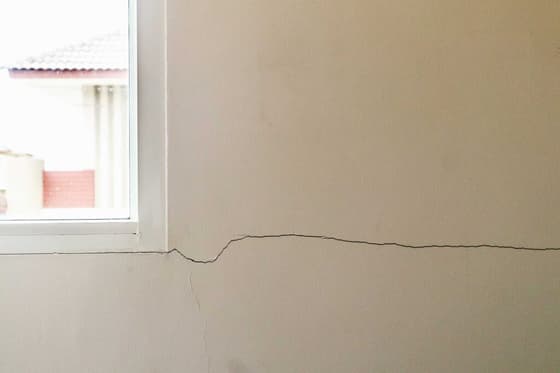
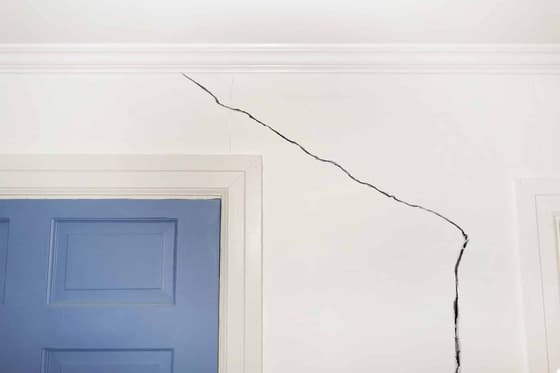
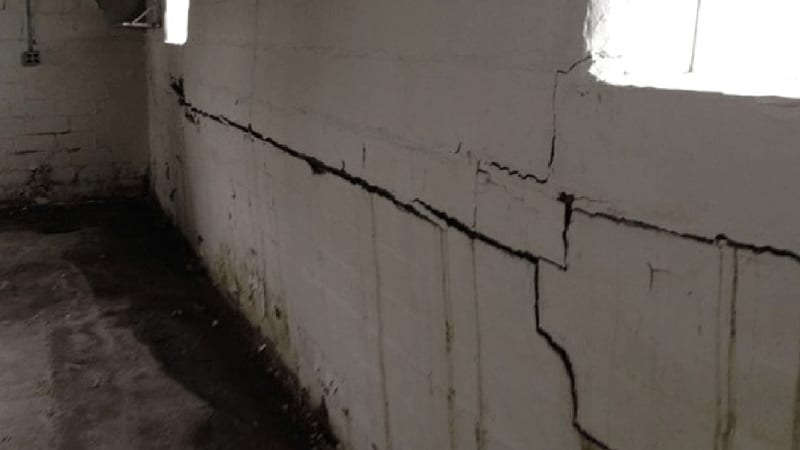
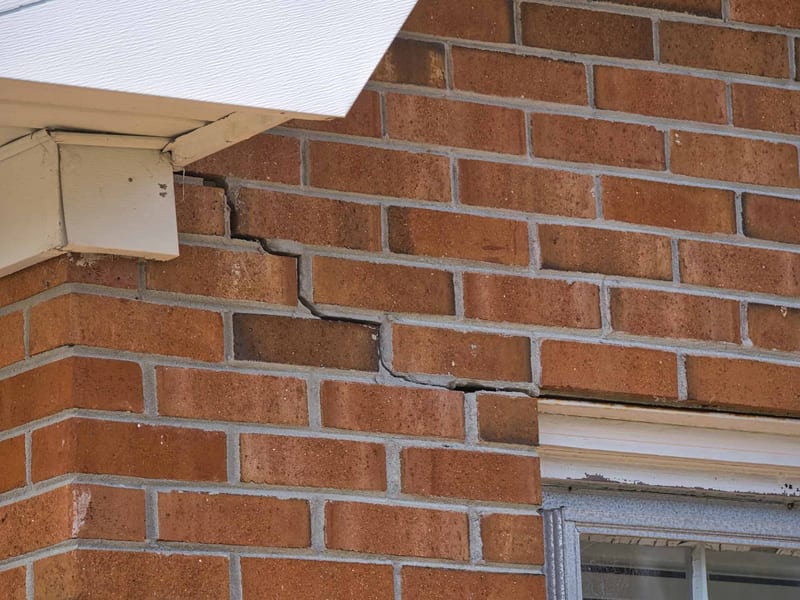
Some small, vertical cracks may be normal settling, but if a crack is widening, leaking water, or forming a stair-step or horizontal pattern, it could signal a structural issue. It’s always best to have cracks professionally evaluated to determine whether repair is needed.
How much does foundation repair cost?
+
According to This Old House, most foundation repair projects range from $2,000 to $10,000, depending on the size of the home, the type of foundation, and the severity of the damage. Small crack repairs may fall near the lower end, while structural issues that require stabilization or piering will be higher. Every home is different, but a professional inspection can help identify the most cost-effective path forward.
What are common signs I need foundation repair?
+
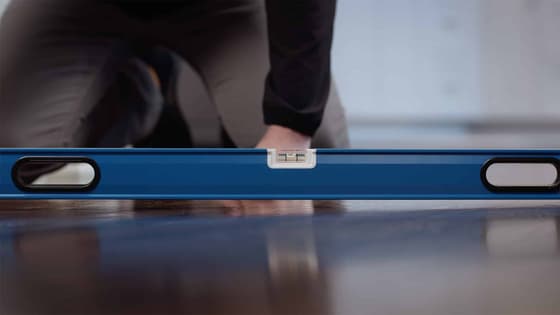
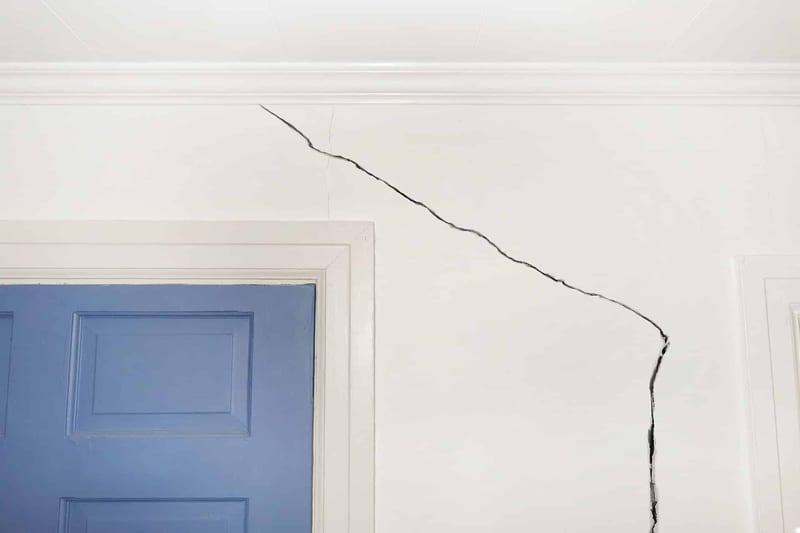
Some of the most common warning signs include cracks in your walls or floors, doors or windows that stick, uneven flooring, or gaps forming around baseboards and trim. These may seem minor at first, but they’re often caused by foundation movement and the longer they go untreated, the more costly the repairs can become.
Can foundation cracks be repaired, or do I need a full replacement?
+
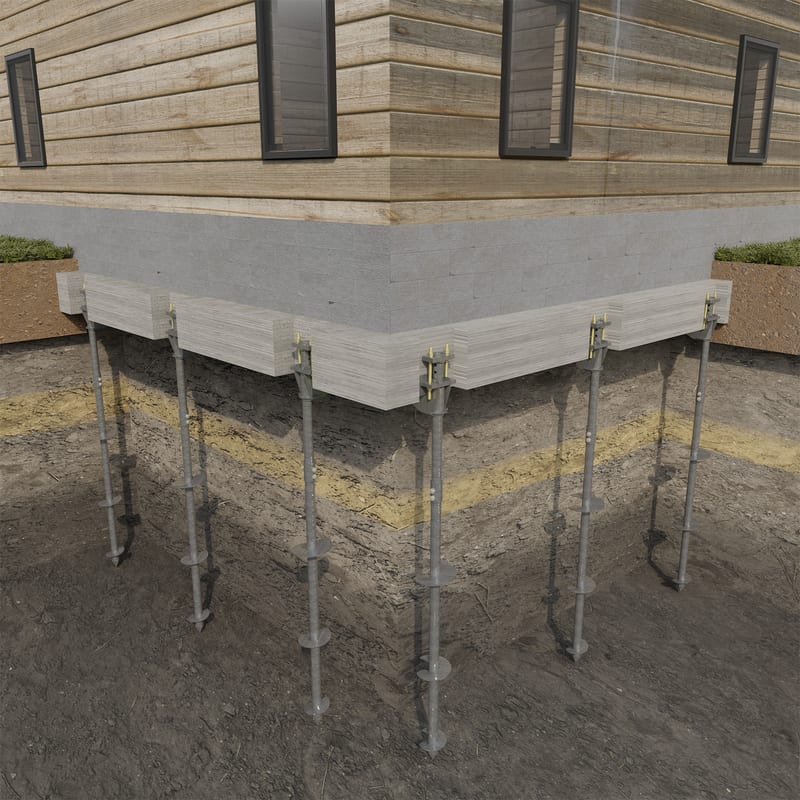
Most foundation cracks can be repaired, especially if caught early. We use methods like injection or stabilization to stop water and movement. Full foundation replacement is rare and usually only needed when damage is severe and widespread.
My basement wall is bowing, do I need to replace it?
+
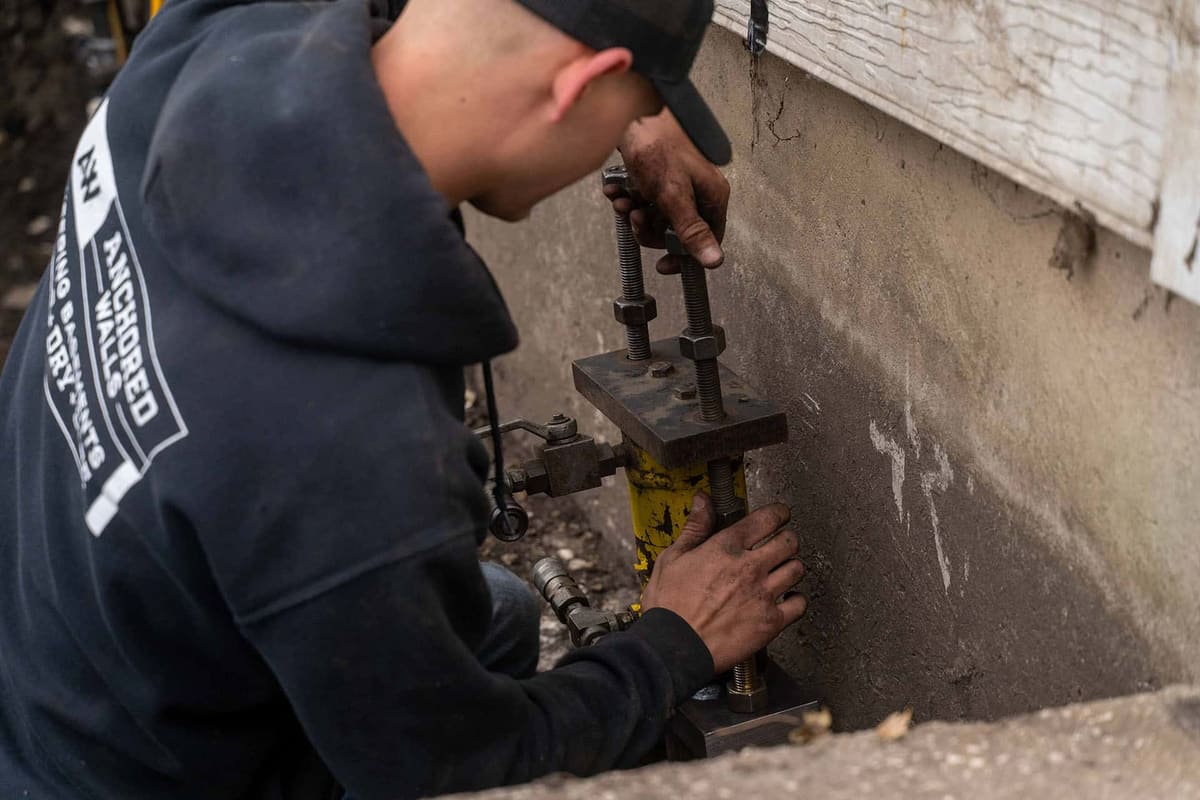
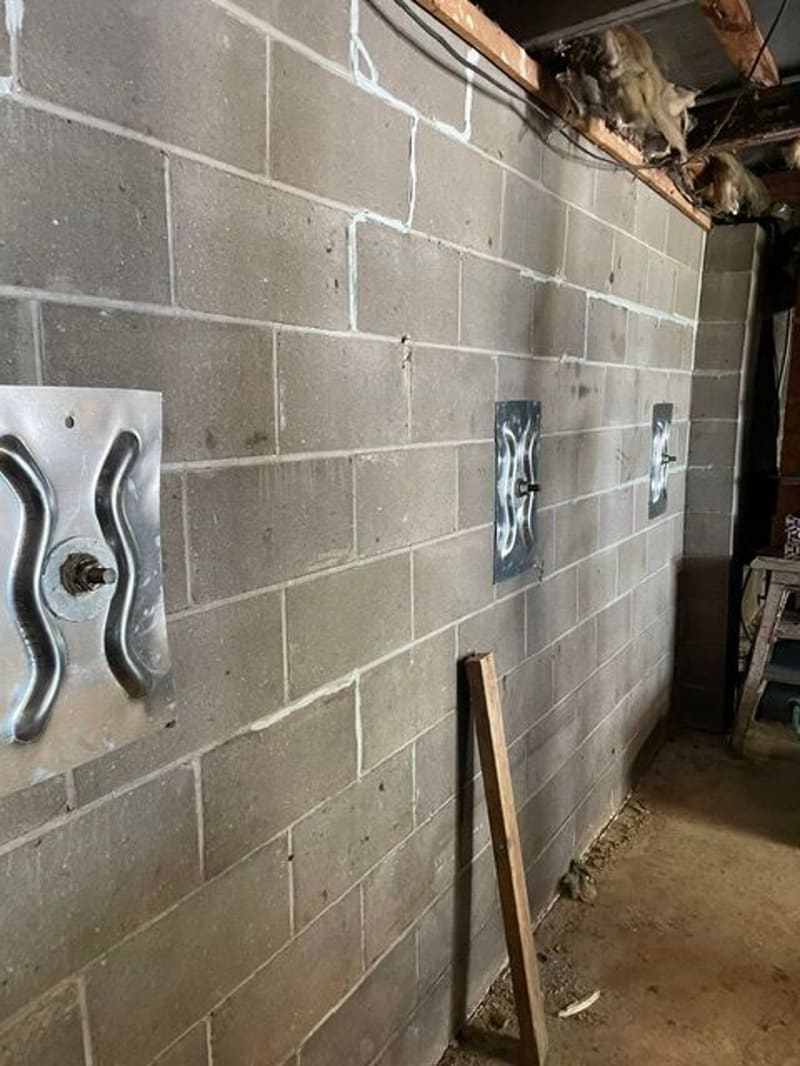
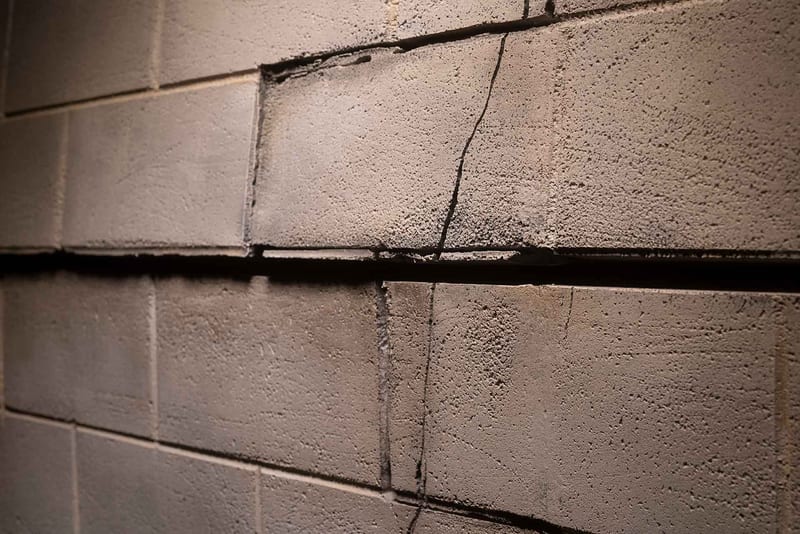
Not necessarily. Bowing walls often respond well to stabilizing systems like wall anchors or carbon-fiber strips. In severe cases, structural underpinning may be needed, but many bowing issues can be corrected without full wall replacement.
How long does foundation repair take?
+
Many foundation repairs—like crack injections or wall stabilization—can be completed in a single day. Larger structural work may take a few days, depending on site conditions and the type of system being installed. Either way, we’ll keep the process efficient, clean, and fully explained from start to finish.
Will foundation issues affect the value of my home?
+
Yes. Unrepaired foundation problems can reduce your home’s value and may raise red flags during a sale or appraisal. On the other hand, professionally completed foundation repairs help preserve your home’s structure and restore buyer confidence.
How much does it cost to fix a bowing basement wall in Iowa?
+
The cost depends on how much the wall has moved and which repair method a specialist recommends. Minor bowing may call for carbon fiber straps or wall anchors, while walls that have moved more than two inches typically require a more substantial solution. Anchored Walls provides free inspections and written estimates so you know exactly what you're paying for before any work begins.
What happens if a bowing basement wall goes untreated?
+
Bowing walls don't stabilize on their own. The soil pressure causing the movement continues through every wet season and freeze-thaw cycle, and a wall that has moved two inches can eventually move enough to require full replacement rather than repair. Catching it early keeps repair options simpler and costs lower.
How do I know which bowed wall repair method is right for my home?
+
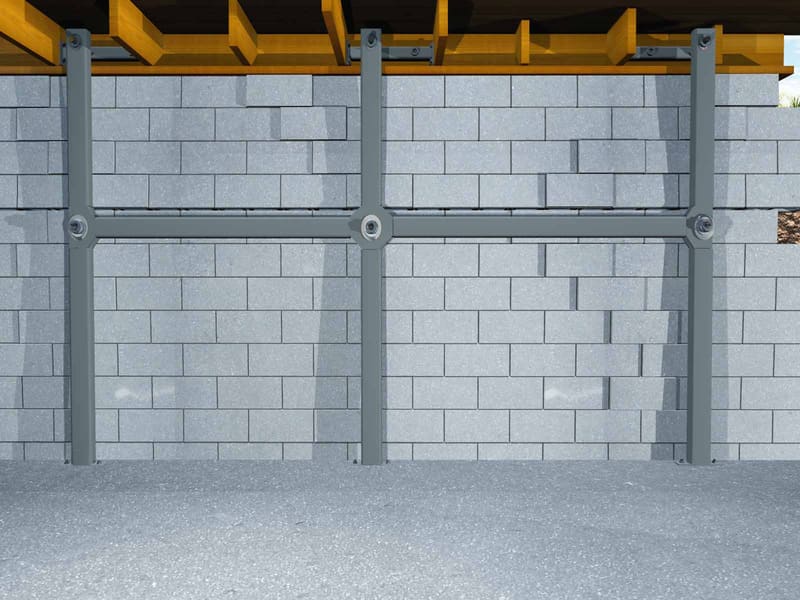
The right repair depends on how far the wall has moved and the condition of the surrounding soil. Carbon fiber straps work well for walls with minor movement, wall anchors allow for ongoing adjustment over time, and more advanced bowing may call for helical tie-backs or a steel beam system. A free inspection is the only reliable way to determine which approach fits your specific situation.
Can a bowing basement wall be repaired without excavating outside the home?
+
It depends on the repair method. Carbon fiber straps and steel beam systems are installed entirely from the interior with no exterior work required. Wall anchors require a small excavation outside to set the anchor plate, and helical tie-backs are drilled through the wall into the exterior soil. A specialist can walk you through which options apply to your situation during a free inspection.
Can my bowed wall be repaired if I don't have a yard or exterior access?
+
Yes. Not every bowed wall repair requires access to the outside of your home. Depending on the severity of the bowing and the condition of the wall, there are interior solutions that can stabilize and reinforce the wall without any exterior excavation. A free inspection will determine which approach is right for your situation.